How Sign Language Creates Inclusivity in Meetings
Sign language creates inclusivity by giving Deaf and hard-of-hearing individuals a voice in every meeting, conference, and public space.
More than 1.5 billion people — nearly 20% of the global population — live with some degree of hearing loss. Of these, 430 million experience disabling hearing loss.
According to the World Federation of the Deaf, over 70 million Deaf people worldwide use more than 300 different sign languages to communicate.
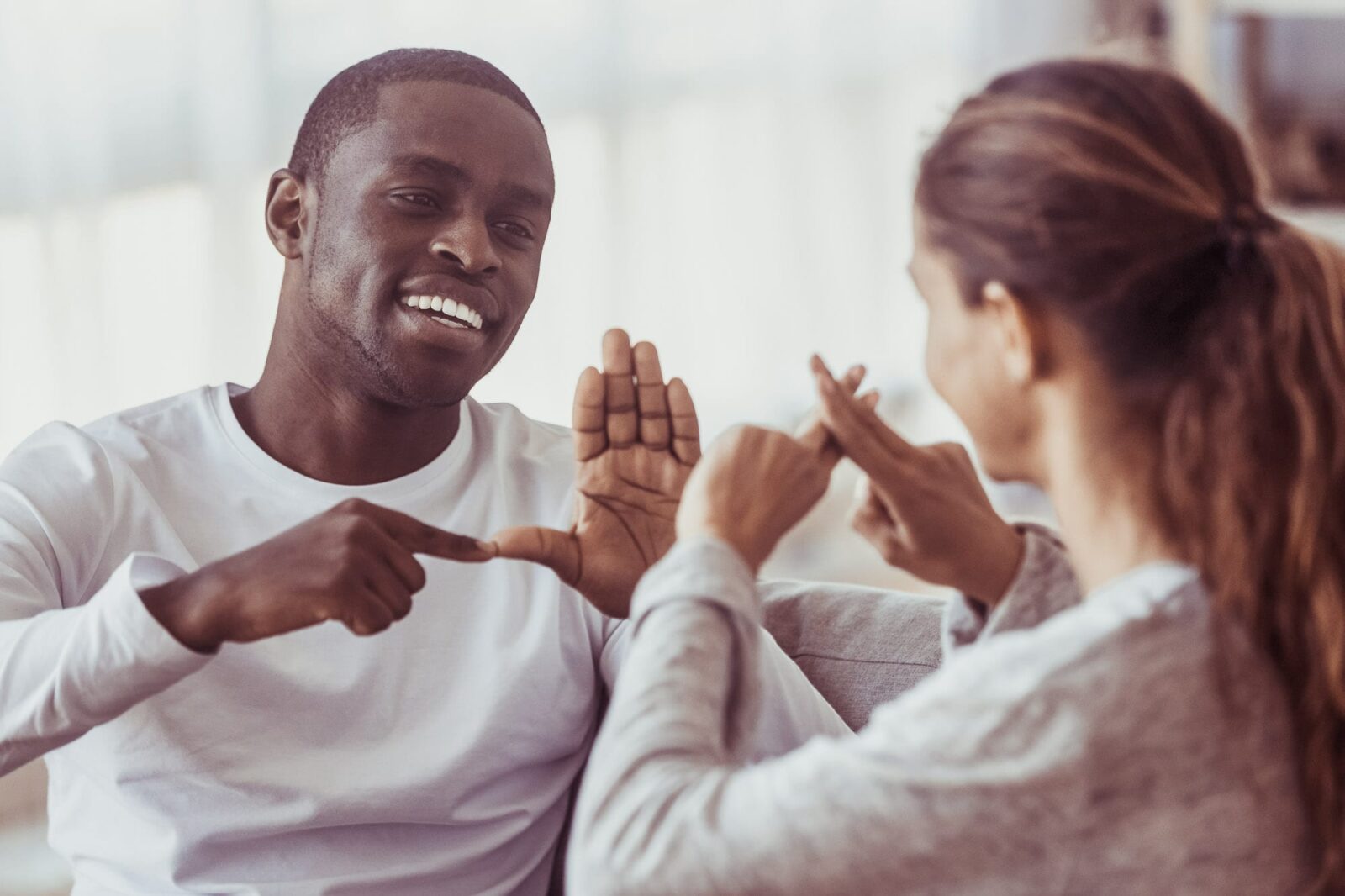
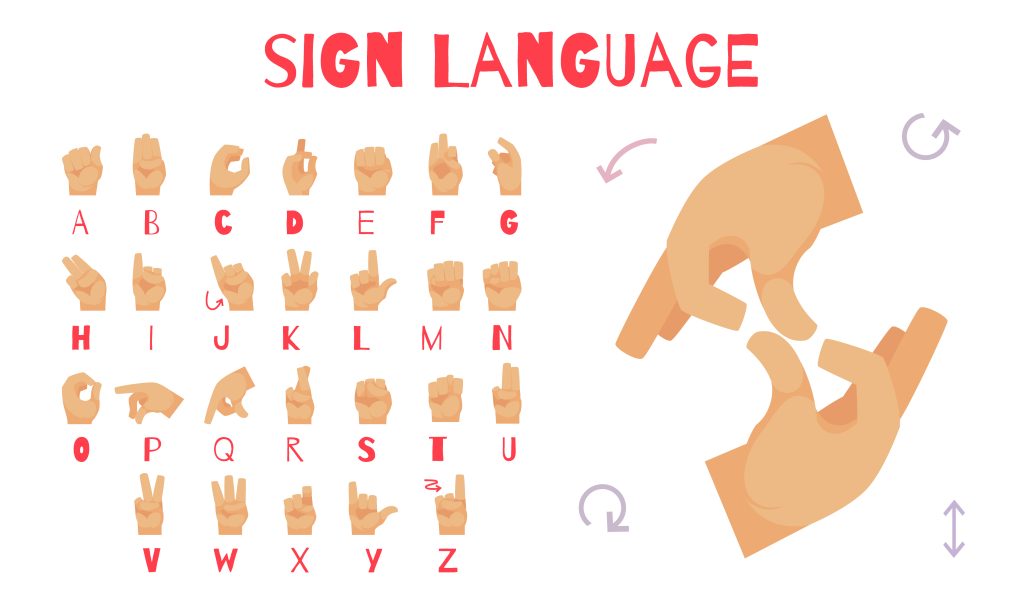
Sign language is far more than hand movements. It is a vibrant, expressive language with its own grammar and culture.
The call for inclusivity is louder than ever. Integrating sign language into meetings is not just a kind gesture.
It is a powerful and necessary step toward creating truly inclusive environments for every individual.
Why Sign Language Creates Inclusivity
Sign language is not simply a communication tool. It is a vital part of Deaf culture and identity — and a cornerstone of inclusion in education, healthcare, business, and public life.
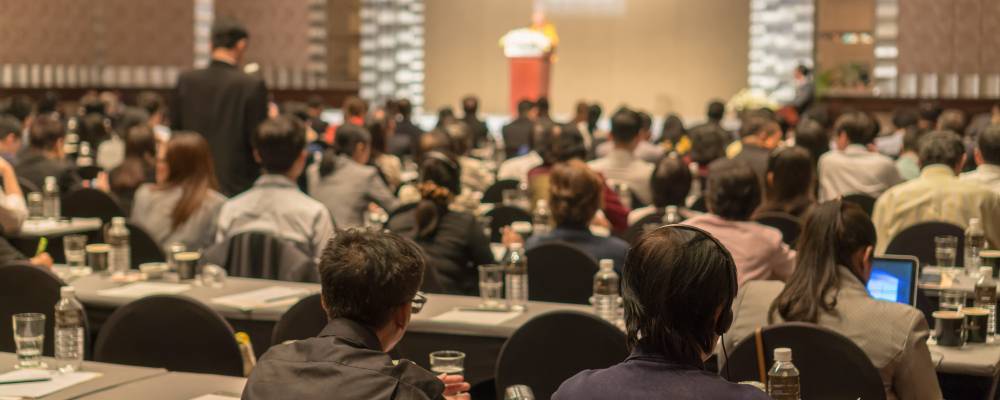
In meetings, sign language interpreters ensure that Deaf and hard-of-hearing delegates can fully engage, contribute ideas, and collaborate with everyone present.
Despite the existence of over 300 sign languages, only 41 countries officially recognise sign language.
In Africa, only four countries have done so: South Africa, Uganda, Zimbabwe, and Kenya. This limited recognition means many Deaf individuals still face barriers to education, employment, and social participation.
Furthermore, the absence of sign language support leads to misunderstandings, missed opportunities, and exclusion from important decisions.
When institutions recognise and promote sign language, they build a more inclusive society. Everyone — regardless of hearing ability — gains equal access to education, employment, healthcare, and political processes.
This matters especially for marginalised groups such as women and girls with hearing impairments, who often face compounded barriers.
Moreover, integrating sign language into everyday life aligns with the Sustainable Development Goals (SDGs), fostering gender equity and social inclusion.
Technology and Innovation for Inclusive Meetings
Advancements in technology are helping bridge the gap.
For example, Microsoft Teams now offers a Sign Language Mode that visually highlights interpreters and gives sign language users equal prominence during meetings.
As a result, Deaf and hard-of-hearing participants can stay engaged and contribute more effectively.
Additionally, integrated closed captioning, video relay services, and AI-driven translation tools are making meetings more accessible than ever before.
Practical Steps to Create Inclusive Meetings
- Making meetings inclusive does not require a complete overhaul. Instead, a few practical steps can make a significant difference:
- Invite a professional sign language interpreter to every meeting where Deaf or hard-of-hearing participants will attend
- Use video conferencing platforms with dedicated interpreter views to support sign language visibility.
- Share all materials in advance so every participant can prepare — regardless of their communication needs.
- Encourage speakers to talk clearly and one at a time, making it easier for interpreters and all participants to follow
The Role of Ateric Translations in Sign Language Inclusivity
At Ateric Translations, we are committed to breaking down communication barriers and creating truly inclusive environments.
As a leading Language Service Provider in Kenya, we offer expert sign language interpreting services for meetings, conferences, and events.
Our team combines linguistic expertise with cultural understanding to ensure every Deaf and hard-of-hearing participant is fully included — in person or online.
Conclusion
Sign language creates inclusivity by ensuring that no one is left out of the conversation.
With over 1.5 billion people globally experiencing hearing loss, accessible meetings are not a courtesy — they are a necessity.
By partnering with Ateric Translations and embracing new technologies, organisations ensure every meeting is a space where everyone is seen, heard, and valued.