

The Importance of Quality Control in Translation
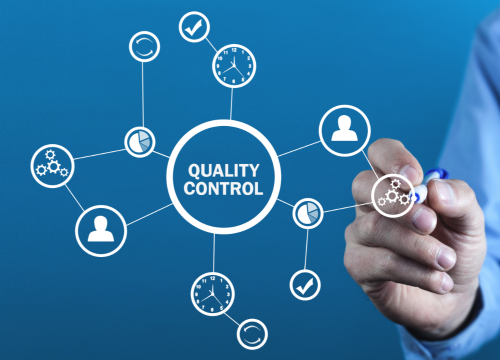
Quality control in translation is the foundation of accurate, consistent, and culturally appropriate language services.
Providing translation goes far beyond simply converting words from one language to another.
It requires precision, cultural understanding, and a commitment to excellence.
What Is Quality Control in Translation?
Quality control (QC) in translation is the systematic process of reviewing and verifying the final output to ensure it meets established standards of accuracy, consistency, and cultural appropriateness.
Unlike quality assurance (QA) — which is proactive and implemented throughout the project — quality control is performed at the end to identify and correct any remaining errors before delivery.
Why Quality Control in Translation Matters
- It Ensures Accuracy and Consistency
Accurate translations prevent misunderstandings, miscommunications, and potential legal issues. Consistency in terminology, tone, and style across documents is crucial — especially for brands with global reach or those operating in regulated industries such as medical, legal, and financial services. Furthermore, QC processes verify that the translated content matches the intent and meaning of the original, preserving the message and its impact.
- It Maintains Cultural Relevance
Effective translation requires more than literal word conversion. It demands sensitivity to cultural nuances, idioms, and local expectations. As a result, QC checks ensure translations resonate with the target audience and avoid cultural missteps that could damage a brand’s reputation.
- It Protects Brand Reputation
High-quality translation reflects professionalism and builds trust with customers, partners, and stakeholders. In contrast, errors and inconsistencies lead to negative perceptions, lost business opportunities, and even public relations crises. Therefore, robust quality control is not optional — it is essential.
- It Reduces Costly Mistakes
Catching errors before content reaches the audience prevents expensive rework, product recalls, and legal disputes. Moreover, investing in a language service provider with a strong QC process saves time and resources in the long run by eliminating the need for corrections after publication.
- It Supports Compliance and Risk Management
Many industries face strict regulations regarding documentation and communication. Consequently, quality control in translation ensures that all translated materials meet legal and regulatory requirements, reducing the risk of non-compliance and protecting your organisation.
A practical example
Consider a global medical device company launching a new product. A single mistranslation on their website could incorrectly describe a device as a “cure” instead of a “treatment” — leading to legal issues, customer dissatisfaction, and lost sales.
With a robust quality control process in place, such errors are identified and corrected before publication, thereby safeguarding the company’s reputation and bottom line.
Conclusion
Quality control in translation is not just a final step — it is a fundamental pillar of successful language services. It ensures accuracy, consistency, cultural relevance, and compliance, all while protecting your brand and reducing risks. By prioritising quality control, language service providers deliver translations that truly connect and communicate, helping clients confidently achieve their global ambitions.
Get In Touch
At Ateric Translations, we are committed to delivering flawless, culturally accurate, and consistent language solutions through our comprehensive quality control processes.
By choosing us, you gain a trusted partner dedicated to excellence, reliability, and client satisfaction.
Let us help you communicate effectively and succeed globally without compromise.
Contact us at info@aterictranslations.com
-
Previous Post
CULTURAL SENSITIVITY MATTERS IN INTERPRETATION
Post a comment
Related Posts
TRANSLATION SERVICES IN KENYA
Kenya is a nation of incredible linguistic diversity. It also serves as a key hub…

CULTURAL SENSITIVITY MATTERS IN INTERPRETATION
In our increasingly globalized world, interpreters connect people, businesses, and communities. However, skilled interpreters do…

TECHNOLOGY IN INTERPRETATION AND TRANSLATION SERVICES
Technology has significantly reshaped modern interpretation and translation services, making them more accessible, efficient, and…

TYPES OF INTERPRETATION YOU NEED TO KNOW
The 5 Types of Interpretation You Need to Know Understanding the different types of interpretation…