


5 Tips for Multilingual Meeting Planning
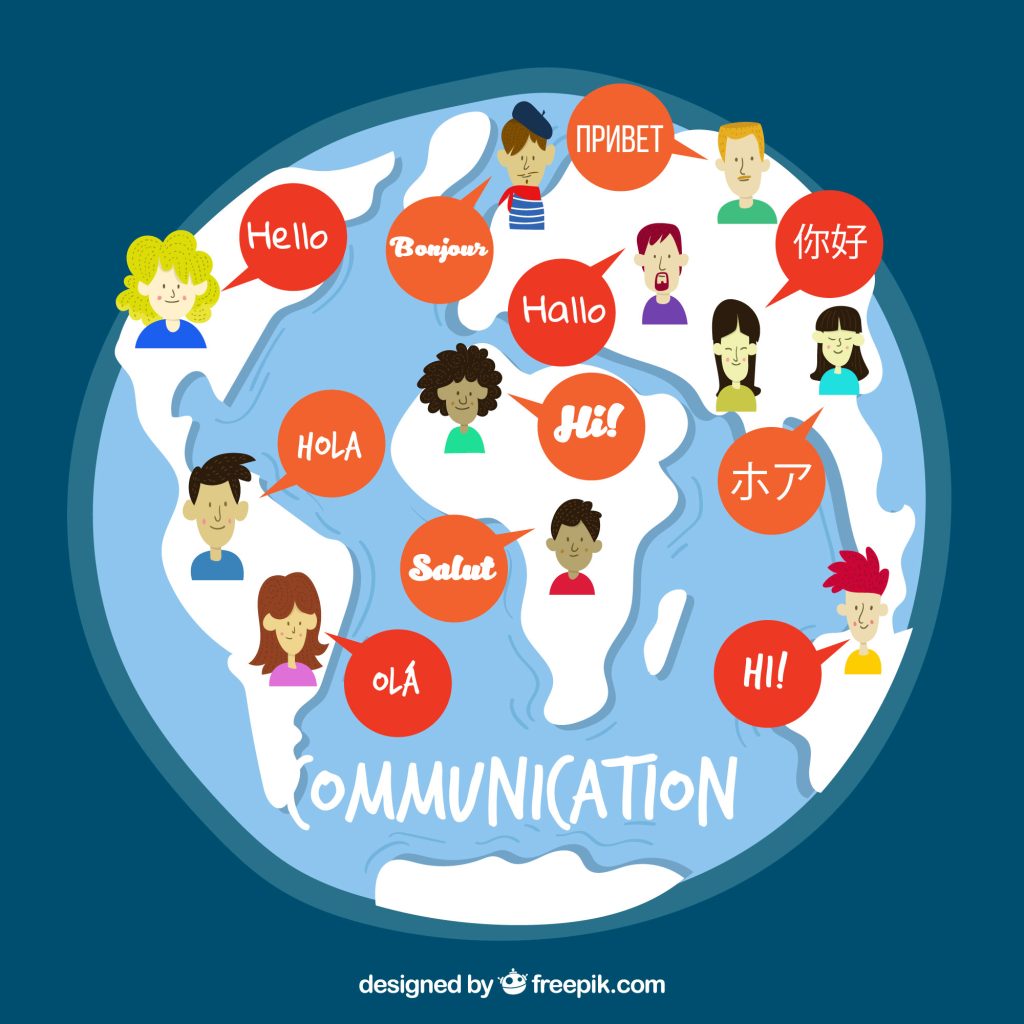
Multilingual meeting planning is one of the most important steps in ensuring successful collaboration across languages and cultures.
In our increasingly interconnected world, multilingual meetings are essential for fostering meaningful dialogue across nations. However, organising these gatherings can be a daunting task.
As a Language Service Provider, we have seen firsthand what it takes to make a multilingual meeting truly engaging.
Here are our top five tips to help you navigate the complexities and create an unforgettable experience for all participants.
Set Clear Goals and Objectives
Every successful multilingual meeting planning process starts with a clear purpose.
Before diving into the logistics, take time to define your goals.
What do you want to achieve?
Who needs to be involved?
By addressing the five Ws — who, what, when, where, and why — you create a roadmap that keeps everyone on track.
Furthermore, share these objectives with all participants in advance so they arrive prepared and ready to contribute meaningfully.
Choose Qualified Interpreters
Your interpreters serve as the bridge between languages — so choose wisely.
Look for experienced professionals who speak the required languages fluently and understand the subject matter.
In addition, provide them with materials such as agendas and presentations ahead of time.
This empowers interpreters to deliver accurate, contextually relevant interpretations.
Remember, great interpreters do not just convert words — they convey meaning, tone, and context.
Invest in Quality Equipment
High-quality audio-visual equipment is non-negotiable for effective multilingual meeting planning. Poor sound quality creates frustration and disengagement — especially during critical discussions.
Therefore, invest in top-notch microphones, headsets, and sound systems that minimise background noise and enhance clarity.
For meetings with remote participants, use platforms that support remote simultaneous interpretation (RSI) to ensure everyone stays connected and engaged throughout.
Allocate Sufficient Time for Discussions
Time management is a critical element of multilingual meeting planning. Due to the need for interpretation, discussions often take longer than expected.
As a result, plan for each agenda item to take approximately 20% longer than your initial estimate.
This additional time allows for thorough exploration of topics without rushing through important conversations.
Consequently, your participants feel heard and valued throughout the meeting.
Foster an Inclusive Environment
Creating an inclusive atmosphere is key to encouraging full participation from every attendee.
Remind speakers to articulate their points clearly and at a moderate pace — this helps interpreters keep up and ensures all participants can follow along easily.
Moreover, encourage turn-taking during discussions and remind everyone that every voice matters.
When participants feel included and respected, you foster richer dialogue and deeper collaboration across cultures.
Key Takeaways
Successful multilingual meeting planning requires thoughtful preparation and attention to detail.
By setting clear goals, choosing qualified interpreters, investing in quality equipment, allocating sufficient time, and fostering an inclusive environment, you create a dynamic platform for communication that goes beyond language barriers.
Ultimately, embracing diversity of voices at your table leads to meetings that inspire collaboration and drive meaningful results.
Get In Touch
Ready to plan your next multilingual meeting? Explore our conference interpretation services and conference equipment services, or contact us today at info@aterictranslations.com — beyond language barriers.
-
Previous Post
VIRTUAL CONFERENCE INTERPRETATION TIPS
-
Next Post
TYPES OF INTERPRETATION YOU NEED TO KNOW
Post a comment
Related Posts

INTERPRETATION SERVICES IN KENYA
Kenya stands as a dynamic hub for diplomacy, business, and international collaboration in Africa and…

The Essential Checklist for Seamless Multilingual Events
You need precise planning when organizing a multilingual event, especially when multiple languages are in…

QUALITY CONTROL IN TRANSLATION
The Importance of Quality Control in Translation Quality control in translation is the foundation of…

CULTURAL SENSITIVITY MATTERS IN INTERPRETATION
In our increasingly globalized world, interpreters connect people, businesses, and communities. However, skilled interpreters do…